
“When should I book my vacation?” sounds like it should have a simple answer. It doesn’t.
A long weekend in the Caribbean in September and a family vacation over Christmas are two completely different planning situations.
So are a flexible couple looking for any great adults-only resort and a family that needs a specific two-bedroom suite during spring break.
The best time to start planning depends on where you’re going, when you’re traveling, how many people are traveling and how specific you are about what you want.
But after decades of planning vacations, there is one thing we can tell you:
If the details matter to you, waiting rarely gives you more choices.
Here’s how we think about timing.
“The more specific you are about where, when and how you want to travel, the earlier you should start planning.”
First: Planning Early and Buying Airfare Early Aren’t the Same Thing
This is one of the biggest misconceptions about booking a vacation.
Starting the planning process early does not mean every component of the trip has to be purchased immediately.
We might begin working on a vacation months in advance because we want access to the right resort, room category, villa, cruise itinerary or hotel.
Airfare is a separate decision.
Flight prices constantly change, and there is no single magic day when every flight is cheapest.
So don't wait to plan your entire vacation because you're waiting for the “perfect” moment to buy the plane ticket.
The vacation and the airfare don't always need to be booked at the same time.

For Caribbean and Mexico Vacations
For many Caribbean and Mexico vacations, we like to start planning several months in advance.
But that window changes dramatically depending on what you want.
If you're flexible about dates, resort and room category, you may have plenty of good options closer to departure.
If you want a particular resort, an oceanfront suite, a swim-up room, a two-bedroom accommodation or specific travel dates, earlier planning gives us more to work with.
The most desirable room categories can disappear long before an entire resort sells out.
That's an important distinction.
The hotel may still have rooms.
It just may not have the room you wanted.
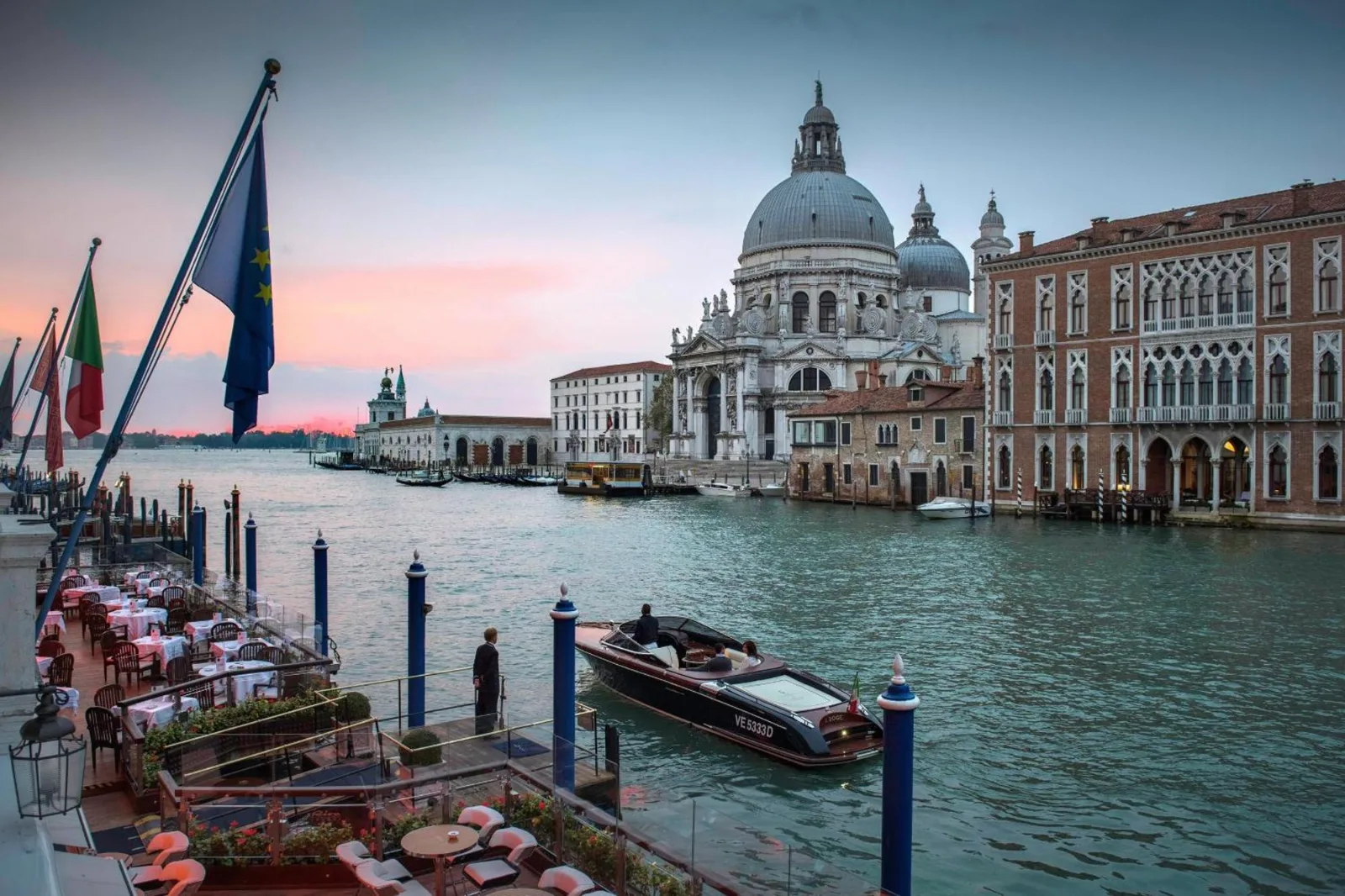
For Europe
For a straightforward trip staying in one city, the planning timeline can be relatively simple.
For a more complicated itinerary involving several destinations, private transfers, trains, tours, sought-after hotels and specific experiences, we prefer considerably more lead time.
For many European vacations, beginning six to twelve months ahead is completely reasonable.
And if you're traveling during the busiest periods, want highly sought-after hotels or have very specific plans, starting even earlier can make sense.
The point isn't to book early simply for the sake of booking early.
It's to give us enough time and availability to build the trip properly.
For Christmas, Spring Break and Other Peak Dates
This is where we really don't recommend procrastinating.
Christmas and New Year's. Spring break. Presidents' Day week. Easter. Thanksgiving. School holidays. Major events.
You're not the only person who wants to travel then.
When thousands of travelers are competing for the same dates, flights, resorts and room categories, availability becomes just as important as price.
If you know your family can travel only during a specific school break, we would much rather start planning early than wait until the calendar gets closer and choose from whatever happens to be left.
For major holiday periods, nine to twelve months ahead is not too early to start the conversation.
For Groups, Destination Weddings and Milestone Trips
The more people involved, the more time we want.
A vacation for two people has two schedules to coordinate.
A destination birthday with 20 people has 20 opinions, multiple departure airports, different budgets and a collection of room requests.
Destination weddings add another layer entirely.
If you're planning a group celebration, milestone birthday, anniversary trip or destination wedding, starting around a year ahead or more can give everyone time to plan, budget and make decisions.
It also gives us a much better opportunity to find accommodations that work for the group rather than forcing the group to fit whatever is still available.

What If You Want a Particular Hotel or Room?
This changes everything.
If you tell us: “I want somewhere beautiful in the Caribbean in May,” we have room to work.
If you tell us: “I want this specific resort, this exact suite, for these exact seven nights,” our flexibility disappears.
The same is true for Europe.
If you want a beautiful five-star hotel in Florence, there may be several options we love. If you want one particular hotel overlooking the Arno during a busy week and your dates cannot change, that's a very different request.
The more specific the wish list, the earlier we want to start.
Does Booking Early Always Mean Getting the Lowest Price?
No.
And anyone who tells you that booking earlier always means paying less is oversimplifying how travel pricing works.
Hotel and airfare prices fluctuate. Promotions come and go. Demand changes. Sometimes a rate drops. Sometimes it rises. Sometimes the price barely changes but the room category you wanted disappears.
That's why we don't look at timing only through the lens of finding the absolute lowest possible price. We're also thinking about availability, selection, flexibility and getting the trip right.
Saving $100 isn't particularly helpful if the resort you really wanted is sold out.

What About Last-Minute Deals?
They exist.
But there's a difference between finding a deal and planning the vacation you actually wanted.
Last-minute travel works best for people who are genuinely flexible.
Flexible dates. Flexible destination. Flexible resort. Flexible room category. Potentially flexible flights.
If your attitude is, “We have a free week next month. Find us somewhere fabulous,” we may be able to have some fun with that. If you need nonstop flights from a particular airport, a specific resort, adjoining rooms and Saturday-to-Saturday dates during spring break?
That's not where we want to gamble on a last-minute bargain.
So, When Should You Contact Us?
As soon as you know you want to take the trip.
That doesn't mean we need to book everything that day. It means we can start looking at what's realistic, talk through timing and determine when the different pieces should actually be reserved.
If you're thinking about the Caribbean next summer, Europe next year or a milestone birthday that's still 18 months away, you're not bothering us by reaching out “too early.”
In many cases, that's exactly when we want to hear from you.
The Tropical Travelers' Take
There is no magic number of months that works for every vacation.
A flexible couple taking an adults-only Caribbean trip doesn't need the same planning timeline as a family traveling over Christmas, a group celebrating a 50th birthday or someone building a two-week trip through Italy.
That's why our answer to “When should I book?” usually starts with a few questions of our own.
Where do you want to go? When can you travel? And how important are the specific details to you?
Tell us those three things, and we'll help you figure out when it's time to start planning.